UAE strengthens global fight against malaria as cases reach over 282 million worldwide
Apr 25, 2026
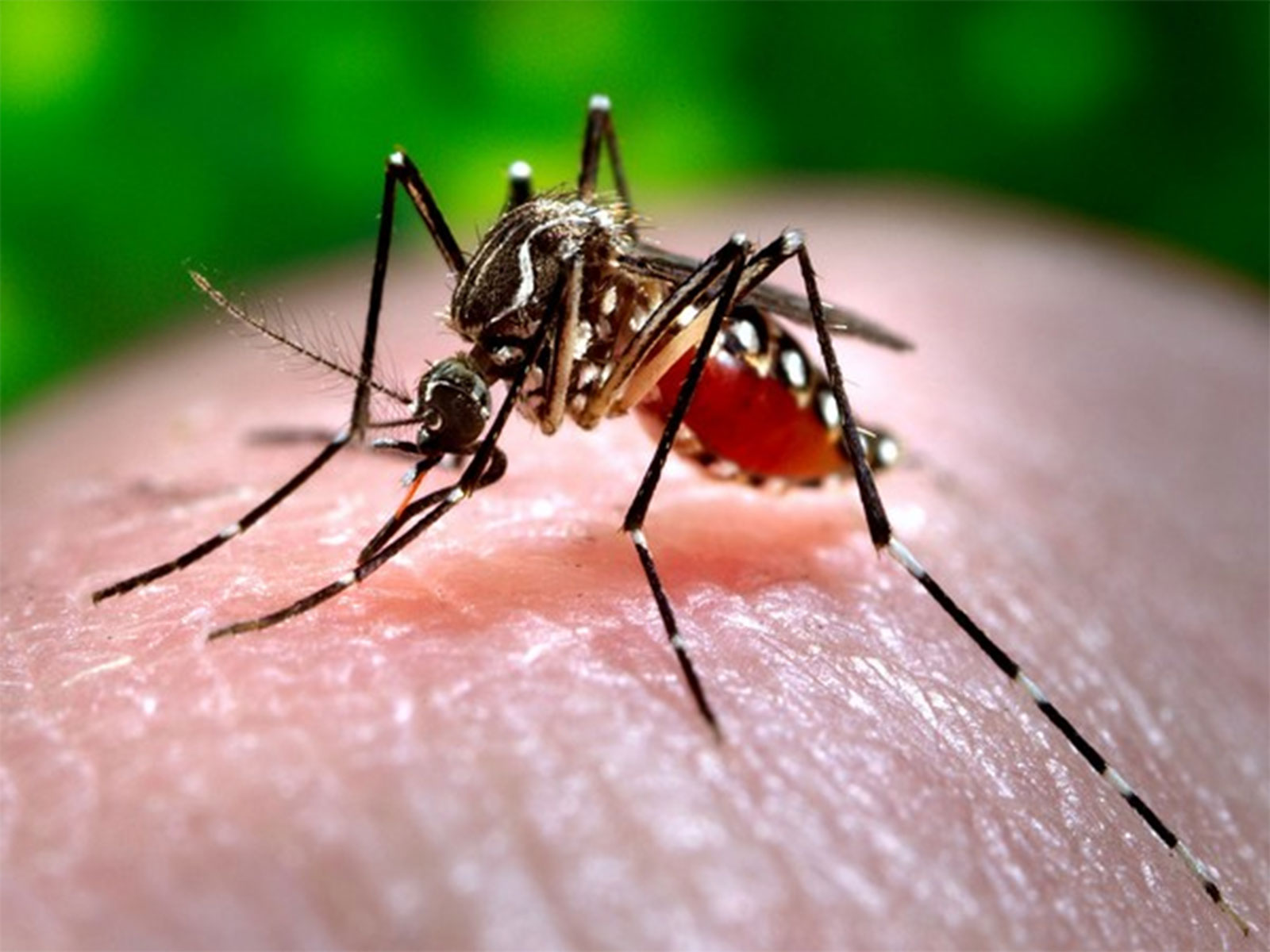
Abu Dhabi [UAE], April 25: The United Arab Emirates remains a pivotal force in the global campaign against malaria. Through humanitarian initiatives and strategic financial contributions, the nation continues to accelerate the drive toward the disease's eventual eradication. This commitment comes as World Health Organisation (WHO) estimates reveal that malaria affected approximately 282 million people globally in 2024, an increase from 273 million in 2023.
Marking World Malaria Day on 25 April, the UAE highlights a legacy of domestic success. The country has reported no locally transmitted cases since 1997 and has officially maintained its malaria-free status since receiving WHO certification in 2007.
As a prominent backer of international health initiatives, the UAE supports the goal of reducing malaria incidence by at least 90 percent by 2030. This objective aligns with the WHO Global Technical Strategy for Malaria.
The UAE leverages its resources and expertise to assist affected nations, earning acclaim from international health organisations. Key contributions include support for "Zero Malaria Starts with Me" and "Reaching the Last Mile," alongside partnerships with Gavi, the Vaccine Alliance, and the Roll Back Malaria (RBM) Partnership.
In 2020, the UAE launched the "Predicting a Healthy Future" initiative to combat mosquito-borne diseases. This was followed in January 2022 by the founding of the Institute for Malaria and Climate Solutions (IMACS), a global hub focused on the links between malaria, climate change, and weather patterns.
Furthering this mission, a three-year, $5 million grant was announced in January 2023 by Reaching the Last Mile, Zero Malaria Starts with Me, and the Mohamed bin Zayed University of Artificial Intelligence. This funding aims to expand global climate and health programmes.
In August 2025, the Global Institute for Disease Elimination (GLIDE), under the Erth Zayed Philanthropies, launched a project to assess malaria reintroduction risks across the Middle East and North Africa. Spanning 18 countries, the initiative is building a comprehensive database of transmission factors from the past century.
Academic contributions are also advancing the cause. Researchers from United Arab Emirates University and the Indian Institute of Technology Madras Zanzibar Campus have developed a framework to model transmission dynamics. By integrating artificial intelligence with mathematical epidemiology, the study enables precise outbreak predictions by analysing variables like temperature and altitude.
Domestically, the UAE continues to implement a robust preventive health strategy through the Ministry of Health and Prevention. This includes epidemiological surveillance systems to detect and treat imported cases, alongside sustained efforts to maintain the country's malaria-free status through early detection, workforce training, and mosquito control measures.
Source: Emirates News Agency